Yiyun Li: A Writer Between Languages, Loss and the Quiet Refusal of Consolation
A reflective look at Yiyun Li’s literary journey, the quiet force of Things in Nature Merely Grow, and why her Pulitzer-winning memoir may prove both difficult and deeply necessary for the Chinese literary landscape.
WEST LINK LITERARY SCOUT
Vivian Ni
5/9/20265 min read
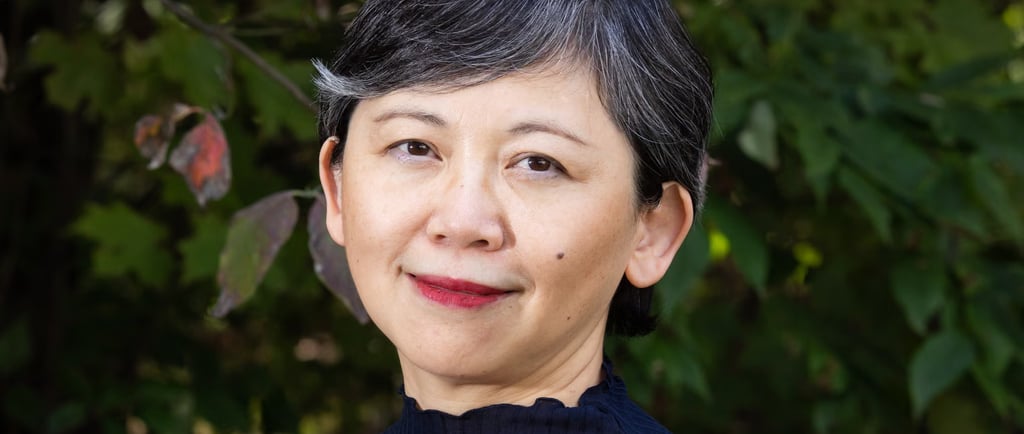
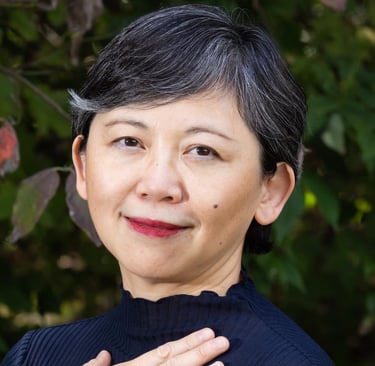
Yiyun Li at home in Princeton, New Jersey. Photograph: Christopher Lane/The Observer
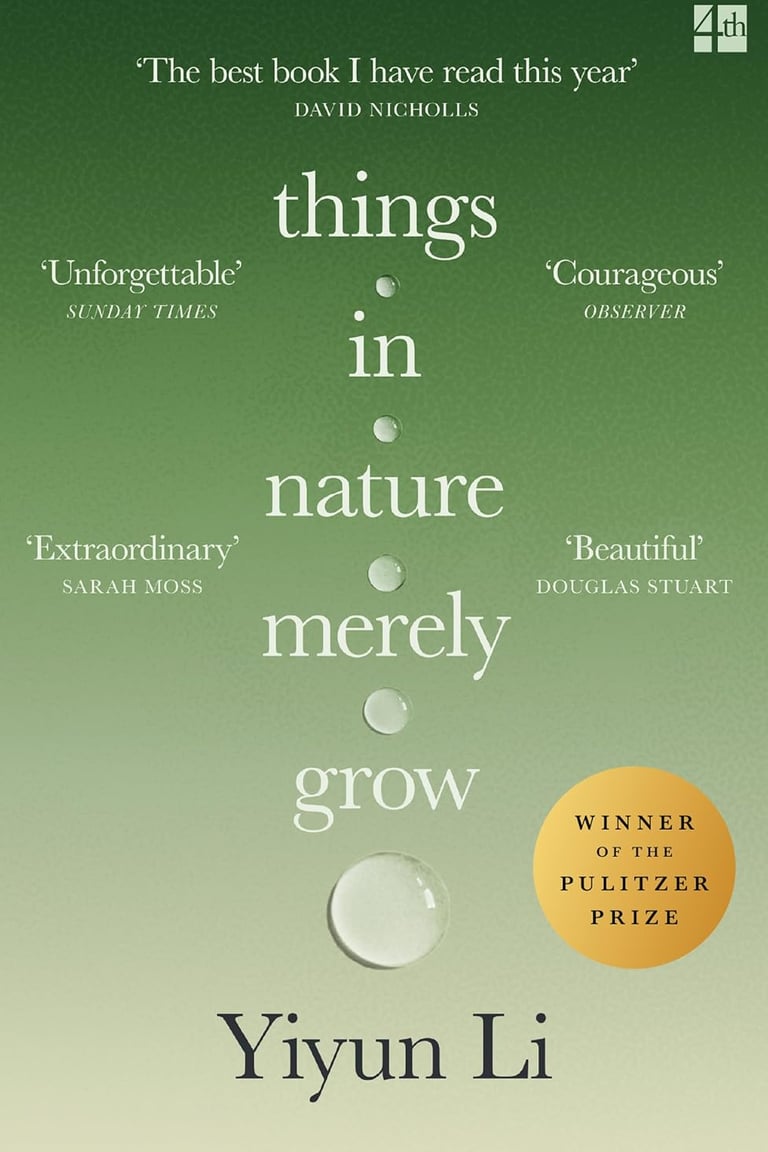
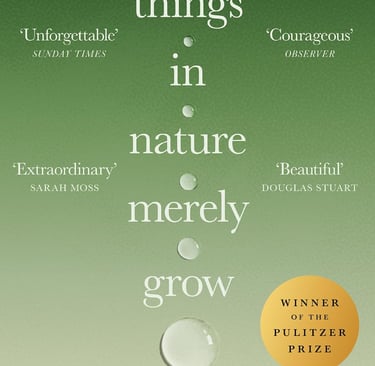
When Yiyun Li won the 2026 Pulitzer Prize for Memoir or Autobiography for Things in Nature Merely Grow, many readers felt the award was long overdue. For more than twenty years, Li has been one of the most quietly admired figures in contemporary English-language literature: a writer whose prose is spare yet piercing, emotionally restrained yet devastating in its aftereffect.
And yet, for all her international acclaim, Yiyun Li occupies a strangely uncertain place in relation to China. She was born in Beijing, studied at Peking University, and writes some of the most psychologically precise fiction associated with the Chinese diaspora, yet she writes in English rather than Chinese. For a long time, her books travelled more easily in New York literary circles than in Chinese bookstores.
That tension between languages, identities and readerships runs through her life almost as deeply as it runs through her work.
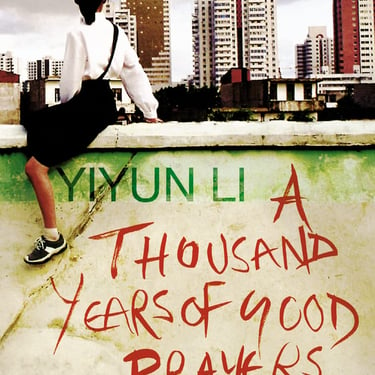
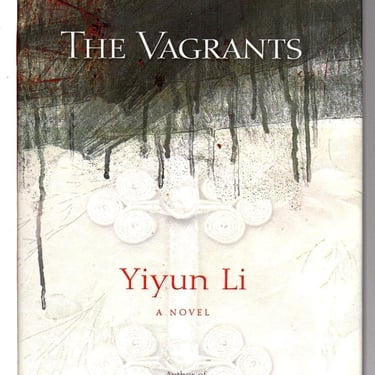
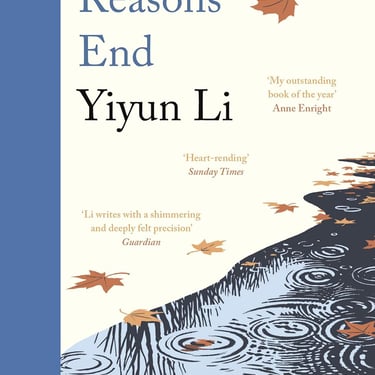
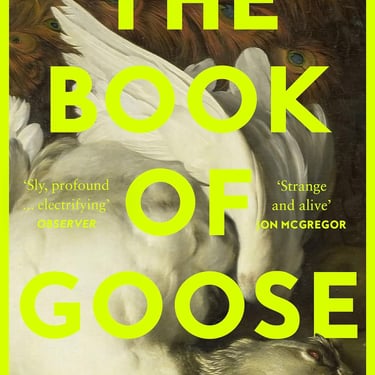
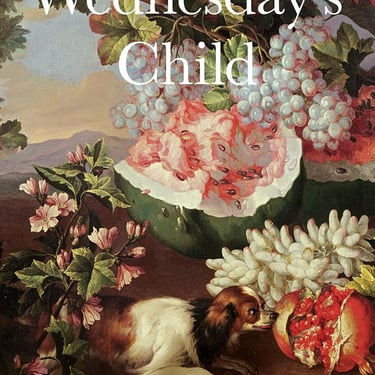
Li moved to the United States in the 1990s, originally studying immunology before turning to fiction at the Iowa Writers’ Workshop. Over the years, she built an extraordinary body of work: A Thousand Years of Good Prayers, The Vagrants, Where Reasons End, The Book of Goose, Wednesday’s Child and now Things in Nature Merely Grow. Her novels and stories rarely chase dramatic spectacle. Instead, they linger in quieter territories: loneliness, memory, estrangement, motherhood, silence, exile, grief.
What makes Li unusual is that she has never seemed particularly interested in becoming a “representative” Chinese writer for Western audiences. Her fiction does not pause to explain China, nor does it perform cultural identity in predictable ways. Even in her early work, when Chinese settings appeared more directly, the emotional landscape mattered more than national framing.
Readers first encountered this in A Thousand Years of Good Prayers, where characters moved uneasily between China and America, carrying misunderstandings that language alone could not solve. Later came The Vagrants, set against the political atmosphere of post-Mao China, and then increasingly inward books such as Where Reasons End and The Book of Goose, novels more concerned with memory, invention and the fragility of human connection than with geography itself.
The Book of Goose, which won the PEN/Faulkner Award for Fiction, surprised some readers because it was set not in China, but in post-war rural France. Two girls create stories together, constructing a shared literary world that slowly becomes entangled with power, authorship and betrayal. On the surface, it is far removed from Li’s Chinese background. Yet emotionally, it belongs completely to her body of work: a meditation on storytelling itself, on who controls a narrative, and on the loneliness hidden inside intimacy.
Then came Things in Nature Merely Grow, perhaps the most personal and difficult book she has ever written.
The memoir centres on the deaths of Li’s two sons, Vincent and James, both of whom died by suicide several years apart. In lesser hands, such material could easily become sentimental or emotionally manipulative. Li refuses both. The book does not offer healing in the conventional literary sense, nor does it attempt to transform grief into a redemptive lesson.
Instead, she writes with a startling steadiness about what remains after catastrophe.
There is gardening in the book. Reading. Piano practice. Camus and Wittgenstein. Long stretches of thought. The persistence of ordinary days. Again and again, Li returns to language itself, not because language can repair loss, but because it may be one of the few honest ways to remain beside it.
What makes the memoir so unsettling is precisely its refusal to console. Li does not frame survival as triumph. She does not sentimentalise motherhood or ask readers to admire endurance. At times, the writing feels almost severe in its clarity. Life continues, she seems to suggest, not because it becomes meaningful, but because continuation itself is unavoidable.
Perhaps that is why the title feels so exact. Things in Nature Merely Grow contains no promise of transformation. Growth here is not hopefulness. It is persistence.
For Western readers, the memoir has been received with extraordinary seriousness and respect. The Pulitzer Prize recognised it as “an austere and defiant memoir of acceptance”, while critics in the English-speaking world have largely approached the book as a profound literary and philosophical work about grief, existence and language.
China, however, presents a far more complicated picture.
Despite Yiyun Li’s international reputation, her works only began entering the mainland Chinese market relatively recently. In 2024, Shanghai Translation Publishing House published the Chinese edition of Must I Go under the title 《我该走了吗》, introducing Li to many mainland readers for the first time as a major international literary figure rather than simply a Chinese-born writer overseas.

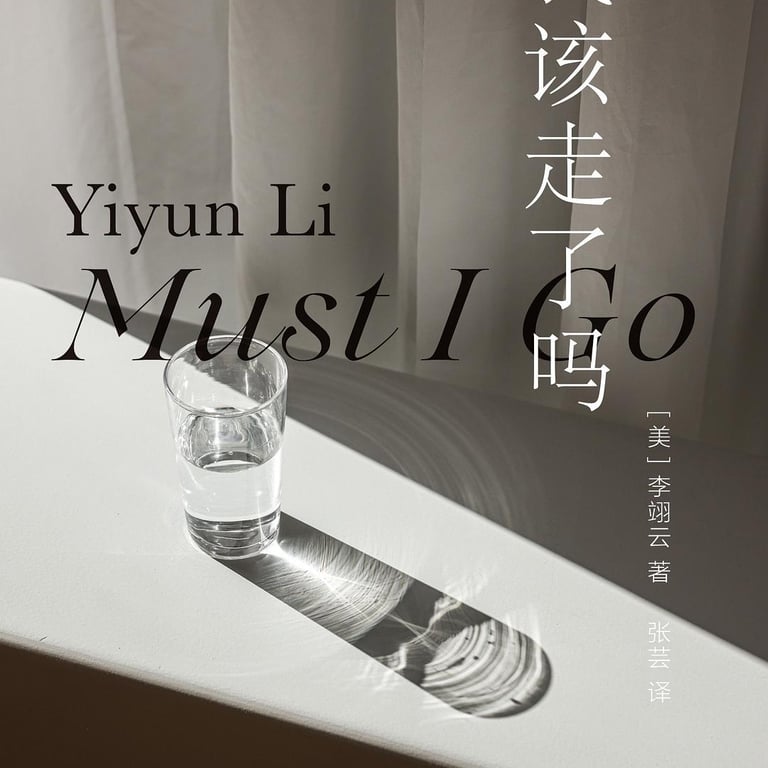
This delay says something revealing about the Chinese publishing landscape. In China, writers who leave the Chinese language often occupy an ambiguous position. They may be ethnically Chinese and internationally successful, but they are not always fully embraced as part of “Chinese literature”. Li’s career sits precisely in that in-between space: culturally Chinese, linguistically English, emotionally difficult to categorise.
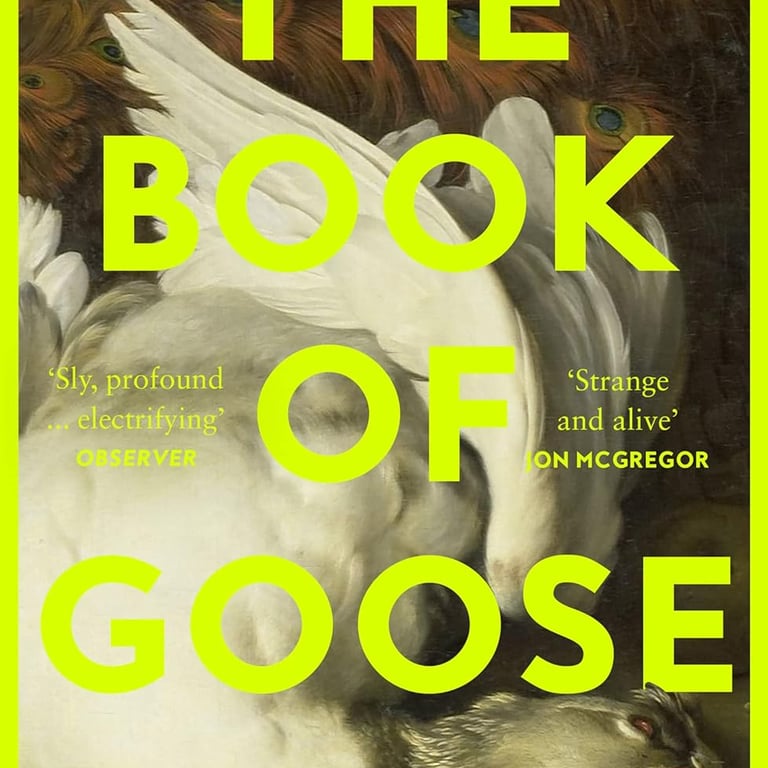
More recently, The Book of Goose also appeared in simplified Chinese translation as 《鹅之书》, suggesting that Chinese publishers are beginning to reposition Li not simply as an overseas Chinese author, but as a serious global literary voice worth reintroducing to Chinese readers through translation.
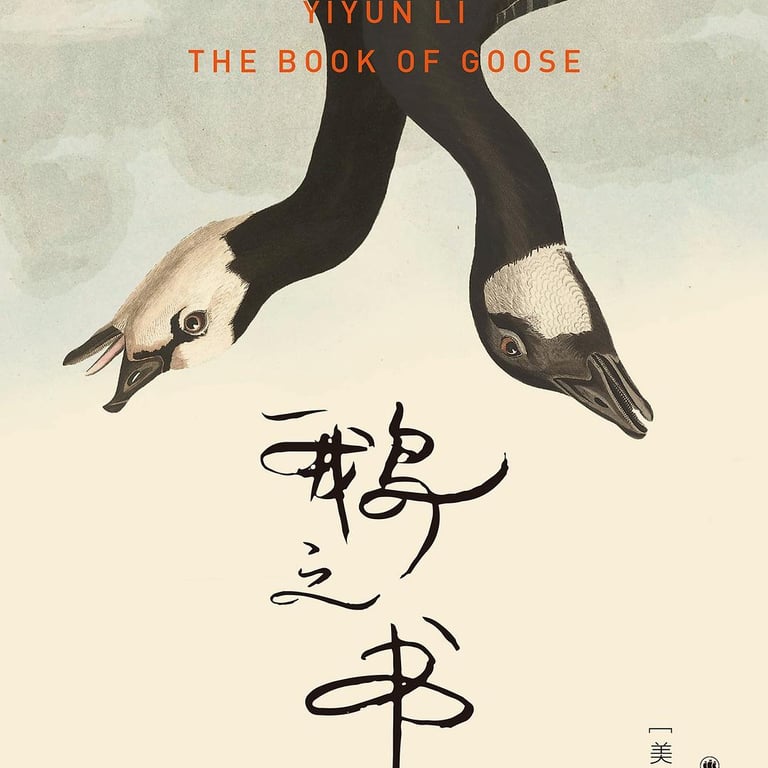
Yet Things in Nature Merely Grow remains unpublished in mainland China, and reports following the Pulitzer announcement indicated that there was not yet a confirmed Chinese publication plan.
This is not entirely surprising.
The memoir touches several emotionally and culturally sensitive areas at once: suicide, motherhood, mental health, public judgement and private grief. Chinese readers are certainly capable of engaging deeply with such subjects, but the publishing environment around them is often cautious. Books dealing directly with suicide and psychological suffering can be difficult to position commercially and culturally, especially when the author herself has already become a subject of public discussion online.
At times, the online reactions surrounding Li’s personal tragedy in Chinese-speaking spaces have carried a harshness that may feel surprising to Western readers. Motherhood in China still carries immense moral expectation, and public conversations around mental health often remain entangled with judgement, responsibility and family reputation. In that context, Things in Nature Merely Grow is not simply a memoir. It becomes a socially charged object.
And yet, strangely enough, that may also be why the book matters.
If it eventually enters the Chinese market, its readership will probably not be mass-market in the conventional sense. But there is absolutely a potential audience for it: serious literary readers, women readers, younger urban readers interested in psychology and memoir, and Chinese readers trying to make sense of grief and emotional language in a rapidly changing society.
The key would be positioning.
If marketed merely as “the tragic memoir of a mother who lost two sons”, the book could easily be reduced to emotional spectacle. But if framed instead as a profound meditation on language, existence and the discipline of continuing to live, it could resonate deeply with a more thoughtful readership in China, particularly among readers already drawn to writers like Annie Ernaux, Hiromi Kawakami or Han Kang.
In many ways, Yiyun Li’s literary journey has always been about travelling between worlds without fully belonging to either. She left the Chinese language, but her work continues to circle questions deeply shaped by Chinese memory and restraint. She became an American literary figure, yet never comfortably fit the expected role of the “immigrant writer”. Her books move quietly between cultures, carrying emotional truths that resist simplification in any language.
That may ultimately be why her work travels so powerfully.
Not because it explains grief or heals suffering, but because it refuses to lie about either.
Follow us
info@westlink.uk
© 2026. All rights reserved.
128 City Road
London EC1V 2NX
ADDRESS
Stay Connected
Get updates on new books, projects and events across cultures
By subscribing, you agree to receive email updates from West Link Consulting Ltd and you have read our Privacy Policy.